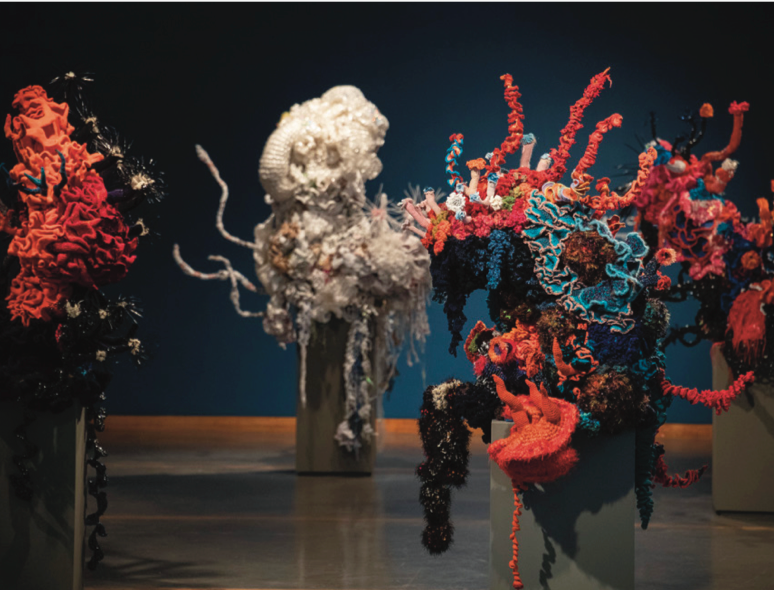
DAncing habitat:
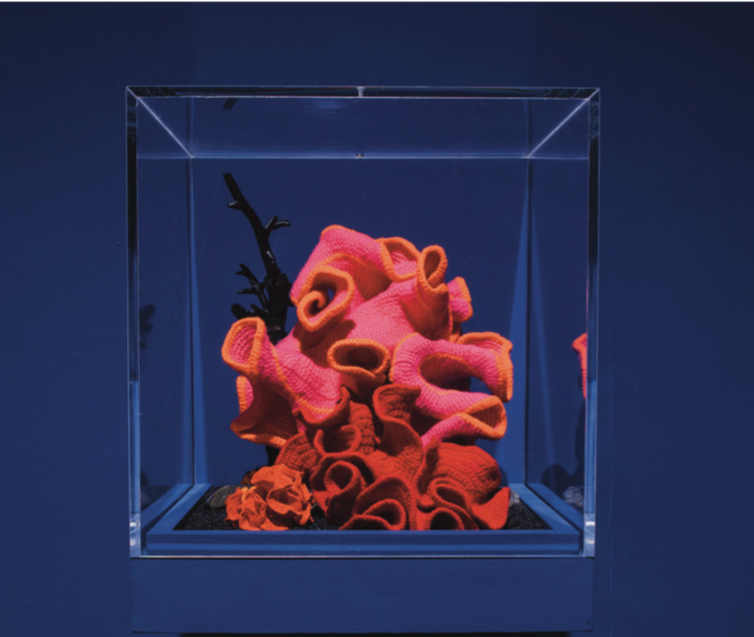
We want you to be creative and feel free to shape your part of Dancing Habitat in your own way. Here is some inspiration and a few techniques you can use.
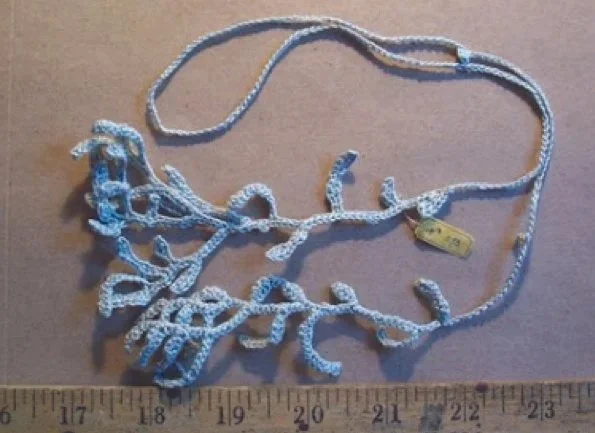
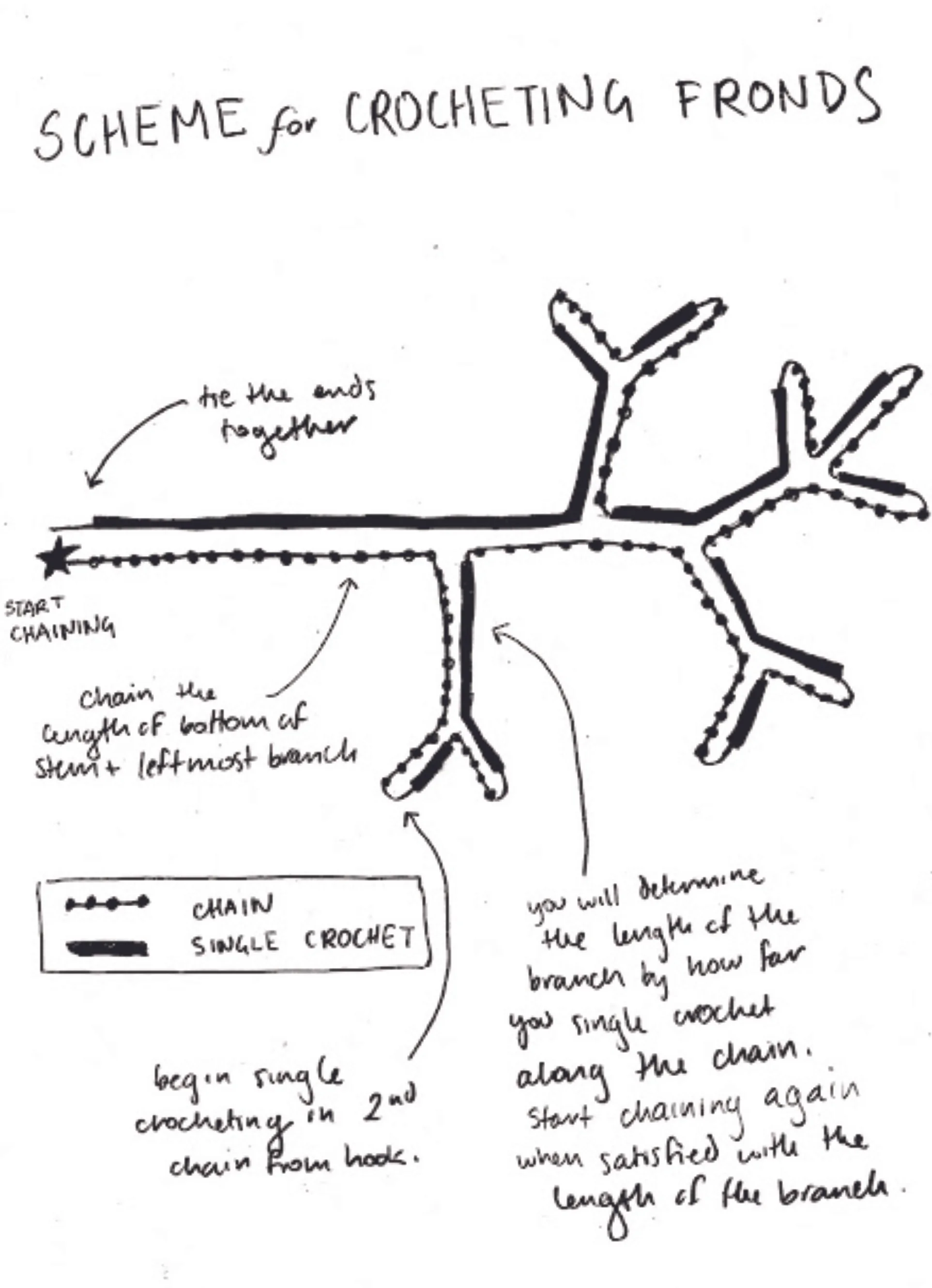
Simply begin with a chain, which, at some point, you'll begin single crocheting back into. This will form the point of the leftmost branch. When the sub branch is as long as you would like (three stitches for the first small branch in the diagram above) chain again to start a second sub branch. Single crochet back onto these new chains to complete the sub branch. You can then continue to single crochet along the "stem" of the branch to finish it off, and chain again once you are back to where you'd like the main "stem" to be. (A "stem" is made from chains that remain without single crochets while you start working another chain.) Repeat as desired, and then begin single crocheting back along the stem instead of chaining again when you've finished the branch farthest from your start point. To make new branches on the other side of the main stem, you simply chain, and single crochet as before - but remember to single crochet when you reach the stem.
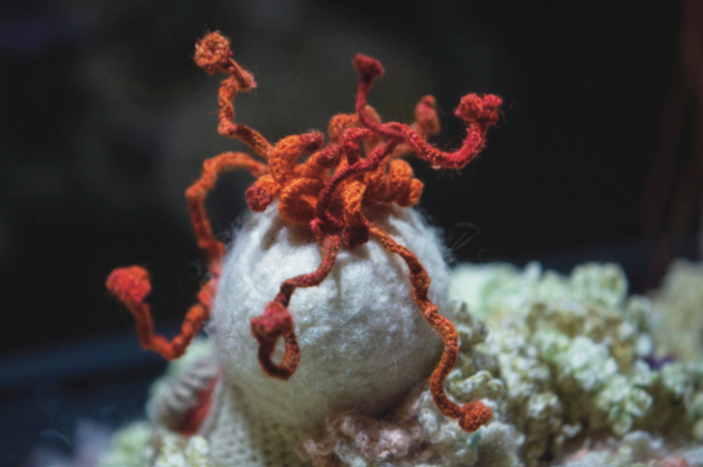
The "sea grass" here is was worked up in size 10 thread, but it's also fun to make in worsted weight or heavier yarn. You can also try varying the height of stitches (double crochet, slip) that you use to work back into the chains.
Oslo I gamle dager, cc: Oslo museum
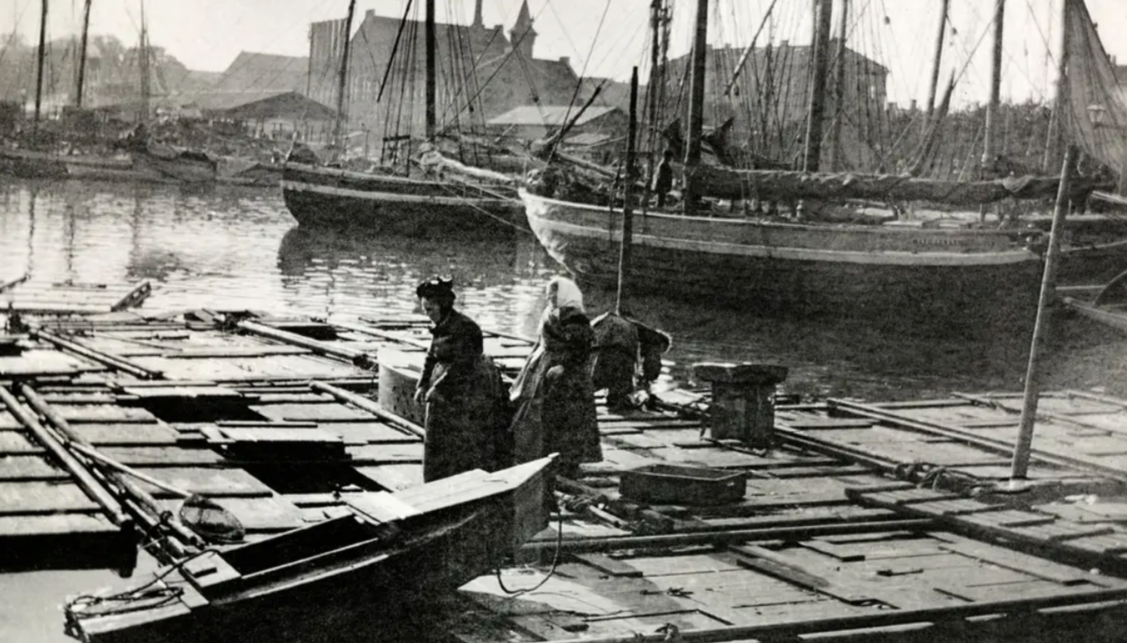

Fiske kongen
Marea and Urban Ocean have encouraged us to be experimental, because this is still a learning process. Together, we are exploring what wool, organic materials, and handmade structures can do in these marine settings. Your creativity and engagement are just as important as the technique.
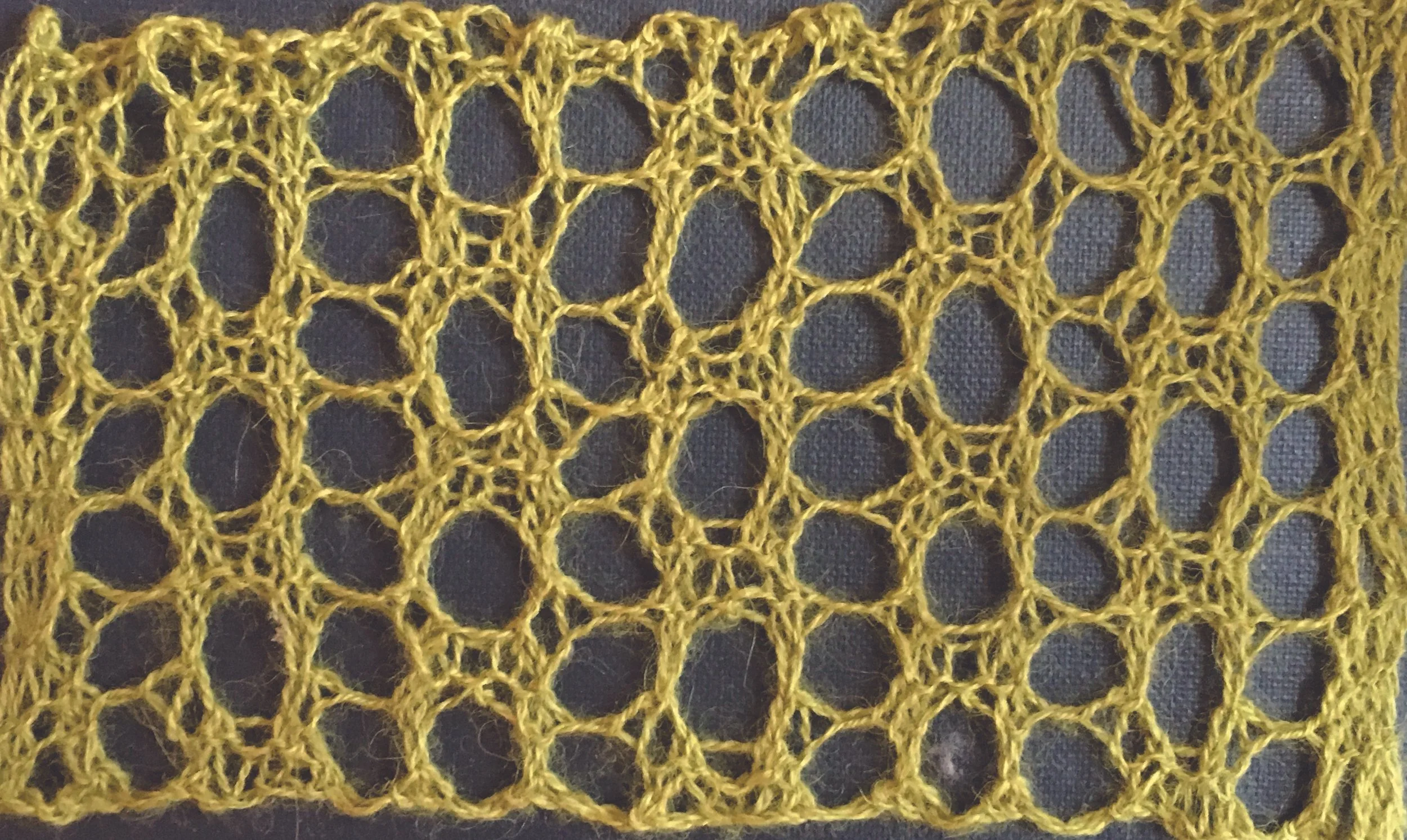
You can make small pockets or hiding places, use rope and knots, create mesh-like surfaces, or build structures where algae, mussels, and other marine life might attach, rest, or settle.